La Roche-Posay Toleriane Purifying Foaming Cleanser Review: Best Face Wash for Oily Sensitive Skin?
Finding a cleanser for oily skin sounds easy until you actually start testing products yourself.
From my experience, many cleansers made for oily skin feel way too harsh. They remove oil aggressively, leave the face tight, and sometimes even make the skin produce more oil later in the day.
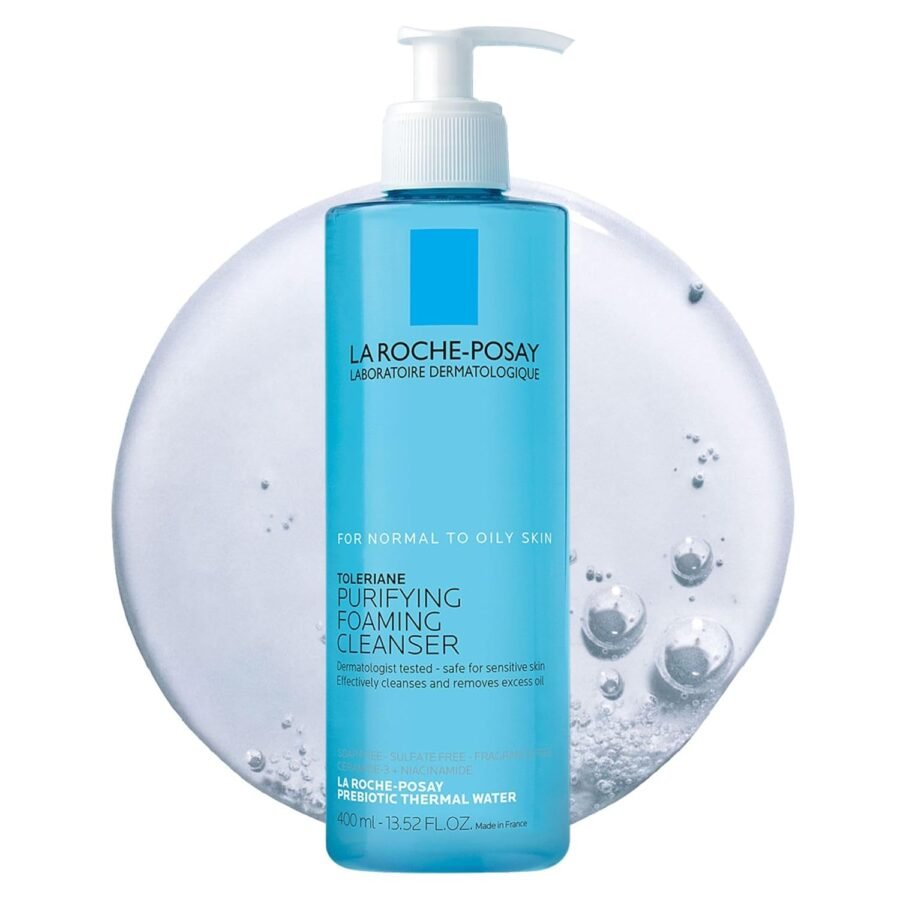
That’s exactly why I wanted to test the La Roche-Posay Toleriane Purifying Foaming Cleanser.
I had already heard people talking about it in skincare communities, especially those with oily but sensitive skin. So I decided to try it consistently in my own routine to see whether it truly deserved the hype.
After several weeks of use, I understood why this cleanser has built such a strong reputation.
It manages to cleanse excess oil effectively without making the skin feel stripped or irritated.
In this detailed La Roche-Posay Toleriane Purifying Foaming Cleanser review, I’ll explain:
- My honest experience using it
- Key ingredients and benefits
- Whether it works for acne-prone skin
- Pros and cons
- Best skin types for this cleanser
- How it compares with Cetaphil and CeraVe
- Tips for getting better results
If you’re thinking about buying this cleanser, this guide should help you decide whether it’s actually worth the price.
Check the link below to explore full details and shop the recommended product with confidence.
What Is La Roche-Posay Toleriane Purifying Foaming Cleanser?
La Roche-Posay Toleriane Purifying Foaming Cleanser is a gentle foaming facial cleanser mainly designed for:
- Oily skin
- Combination skin
- Sensitive skin
- Acne-prone skin
Unlike many harsh oil-control cleansers, this formula focuses on balancing the skin while maintaining hydration.
One thing I noticed immediately was that the cleanser foams lightly but still feels soft on the skin.
Some foaming cleansers can feel almost detergent-like. This one felt much smoother and less aggressive.
Main Features
- Oil-free formula
- Soap-free cleanser
- Contains niacinamide
- Gentle foaming texture
- Suitable for sensitive skin
- Dermatologist tested
- Non-comedogenic
The cleanser is also fragrance-free, which is a huge advantage for people whose skin reacts easily to scented skincare.
My Honest Experience Using La Roche-Posay Toleriane Cleanser
When I first started using this cleanser, I mainly wanted something that could reduce oil without damaging my skin barrier.
I tested it twice daily for a few weeks.
The biggest thing I noticed was how clean my skin felt without that dry, squeaky sensation many foaming cleansers cause.
That balance is honestly difficult to find.
Usually, oily-skin cleansers either:
- Remove too much moisture
- Cause irritation
- Trigger extra oil production later
But this cleanser felt surprisingly balanced.
What Happened After Consistent Use
After about two weeks, I noticed:
- Less midday oiliness
- Reduced clogged-feeling around the nose
- Cleaner skin texture
- Less irritation after cleansing
- More comfortable skin overall
I especially liked using it during warmer weather because it removed sweat and oil effectively without feeling harsh.
What I Personally Liked
- Gentle but effective cleansing
- Good oil control
- Fragrance-free formula
- Skin feels fresh afterward
- Works well for combination skin
- Doesn’t feel overly drying
What Could Be Better
- Slightly expensive compared to drugstore cleansers
- Very dry skin may prefer cream cleansers instead
- Not ideal for heavy makeup removal alone
Overall, though, I found it one of the better cleansers for oily sensitive skin.
Key Ingredients Explained
Understanding ingredients matters a lot when choosing skincare products.
Here are some important ingredients inside the La Roche-Posay Toleriane Purifying Foaming Cleanser.
Niacinamide
Niacinamide is one of my favorite skincare ingredients.
It helps support the skin barrier while reducing irritation and excess oil.
From my experience, niacinamide-based cleansers often feel calmer on the skin compared to overly aggressive formulas.
Potential benefits include:
- Reducing redness
- Improving skin barrier health
- Helping uneven skin tone
- Supporting oil balance
Ceramides
Ceramides help protect the skin barrier.
Many oily skin users accidentally damage their skin barrier with strong cleansers, which can actually worsen irritation.
Adding ceramides helps maintain hydration while cleansing.
La Roche-Posay Thermal Spring Water
This is one of the brand’s signature ingredients.
It’s known for soothing sensitive skin.
Mild Foaming Agents
The cleanser uses gentler surfactants compared to harsh sulfate-heavy face washes.
That’s probably why it cleans effectively without making the skin feel overly tight.
[Image: Foaming cleanser texture with lightweight consistency]
Title: Lightweight Foaming Cleanser Texture for Oily Skin
Alt Text: Gentle foaming texture of La Roche-Posay Toleriane facial cleanser
Description: This image highlights the soft foaming texture designed to cleanse oily and combination skin gently.
Is La Roche-Posay Toleriane Cleanser Good for Acne?
From my experience, this cleanser works quite well for mild acne-prone skin.
It’s important to understand that this is not a medicated acne cleanser. It doesn’t contain strong acne-treatment ingredients like benzoyl peroxide.
However, it can still help acne-prone users because:
- It removes excess oil effectively
- Helps reduce pore congestion
- Avoids over-drying the skin
- Supports the skin barrier
Many acne cleansers become too aggressive.
When skin becomes irritated, breakouts can sometimes worsen.
That’s why gentle cleansing often matters more than people realize.
I personally found this cleanser useful while using active ingredients like retinol and salicylic acid because it didn’t add extra irritation.
Best Skin Types for This Cleanser
1. Oily Skin
This is where the cleanser performs best.
It removes excess oil effectively while still feeling gentle.
2. Combination Skin
Combination skin users will probably enjoy the balanced cleansing effect.
The cleanser helps clean oily areas without making dry areas uncomfortable.
3. Sensitive Skin
Because the formula is fragrance-free and gentle, sensitive skin users often tolerate it well.
4. Acne-Prone Skin
People with mild breakouts may benefit from the gentle oil-control formula.
5. Normal Skin
Normal skin users who want a refreshing cleanser may also enjoy it.
How to Use La Roche-Posay Toleriane Cleanser Properly
Using the cleanser correctly can improve your results.
Step 1: Wet Your Face
Use lukewarm water instead of hot water.
Step 2: Apply Small Amount
One pump is usually enough.
Massage gently for about 30 seconds.
Step 3: Rinse Thoroughly
Rinse carefully and pat your skin dry with a clean towel.
Step 4: Apply Moisturizer
Even oily skin needs moisturizer.
I personally noticed better oil balance when pairing this cleanser with a lightweight moisturizer.
[Image: Person washing face with gentle foaming cleanser]
Title: Daily Face Cleansing Routine for Oily Skin
Alt Text: Person using La Roche-Posay foaming cleanser during skincare routine
Description: This image demonstrates how the cleanser can be used during a simple daily skincare routine for oily skin.
Does It Remove Makeup and Sunscreen?
For light makeup and sunscreen, the cleanser performs fairly well.
However, for heavy makeup or waterproof sunscreen, I’d still recommend double cleansing.
From my experience, using:
- Micellar water first
- Or an oil cleanser first
followed by this cleanser gives much better results.
That approach cleans thoroughly while keeping the skin comfortable.
La Roche-Posay vs Cetaphil: Which One Is Better?
I’ve tested both cleansers, and honestly, they target slightly different skin needs.
Choose La Roche-Posay If:
- Your skin is oily or combination
- You prefer foaming cleansers
- You want better oil control
- You like a fresher cleansing feel
Choose Cetaphil If:
- Your skin is very dry
- Your skin barrier feels damaged
- You prefer creamy non-foaming cleansers
- Your skin is extremely sensitive
Personally, I found La Roche-Posay better for warmer weather and oily skin days.
Internal Link Opportunity: [Cetaphil Gentle Skin Cleanser Review]
Common Mistakes People Make With Oily Skin Cleansers
Over the years, I’ve noticed people often damage their skin while trying to remove oil.
Mistake 1: Over-Cleansing
Washing too often can increase irritation.
Twice daily is usually enough.
Mistake 2: Using Harsh Scrubs
Physical scrubs can damage sensitive skin.
Mistake 3: Skipping Moisturizer
Oily skin still needs hydration.
Skipping moisturizer can sometimes increase oil production.
Mistake 4: Expecting Instant Results
Balanced skin takes consistency.
Good cleansers improve the skin gradually over time.
Is La Roche-Posay Toleriane Cleanser Worth the Price?
This cleanser definitely costs more than basic drugstore face washes.
But from my experience, the formula quality feels noticeably better than many cheaper oily-skin cleansers.
The biggest advantage is balance.
It cleans properly without creating that stripped, irritated feeling.
That’s something many affordable foaming cleansers struggle with.
If your skin reacts badly to harsh cleansers, investing in a gentler formula can honestly improve your routine significantly.
Practical Tips for Better Results
Here are a few things that improved my experience while using this cleanser.
Avoid Hot Water
Hot water can damage the skin barrier and increase dryness.
Use Consistent Routine
Consistency matters more than constantly changing products.
Pair With Lightweight Moisturizer
A gel moisturizer works especially well afterward.
Don’t Over-Exfoliate
Too many acids combined with oil-control cleansers can irritate the skin.
Be Patient
Balanced skin improvements usually take time.
Internal Link Opportunity: [Best Moisturizers for Oily Sensitive Skin]
Who Should Avoid This Cleanser?
Although it works very well for oily sensitive skin, it may not be ideal if:
- Your skin is extremely dry
- You dislike foaming cleansers
- You want heavy makeup removal
- You prefer richer cream cleansers
In those cases, hydrating cream cleansers may work better.
Frequently Asked Questions
Is La Roche-Posay Toleriane Cleanser good for oily skin?
Yes. From my experience, it cleans excess oil effectively without making the skin feel overly dry.
Is this cleanser good for acne-prone skin?
It can help acne-prone skin by removing oil gently and supporting the skin barrier.
Does La Roche-Posay cleanser contain fragrance?
No. The formula is fragrance-free.
Can sensitive skin use this cleanser?
Yes. Many people with sensitive skin tolerate this cleanser very well.
Is La Roche-Posay better than Cetaphil?
It depends on your skin type. La Roche-Posay works better for oily skin, while Cetaphil often suits dry sensitive skin better.
Can I use this cleanser every day?
Yes. It is designed for daily morning and night use.
Final Verdict
After testing the La Roche-Posay Toleriane Purifying Foaming Cleanser consistently, I understand why so many dermatologists and skincare users recommend it.
It strikes a very good balance between effective cleansing and skin comfort.
From my experience, this cleanser works especially well for people who:
- Have oily sensitive skin
- Want gentle oil control
- Need fragrance-free skincare
- Prefer foaming cleansers
- Struggle with harsh acne cleansers
The formula feels modern, balanced, and easy to use daily.
If your current cleanser leaves your skin feeling overly tight or irritated, switching to a gentler option like this may honestly improve your skincare routine more than adding expensive treatments.
Sometimes a good cleanser makes a bigger difference than people expect.
Internal Link Opportunity: [Best Skincare Routine for Oily Sensitive Skin]
Quick Summary
- Best for oily and combination skin
- Gentle foaming formula
- Helps remove excess oil without over-drying
- Fragrance-free and sensitive skin friendly
- Contains niacinamide and ceramides
- Suitable for daily use
- Not ideal for very dry skin
- Works well alongside acne treatments
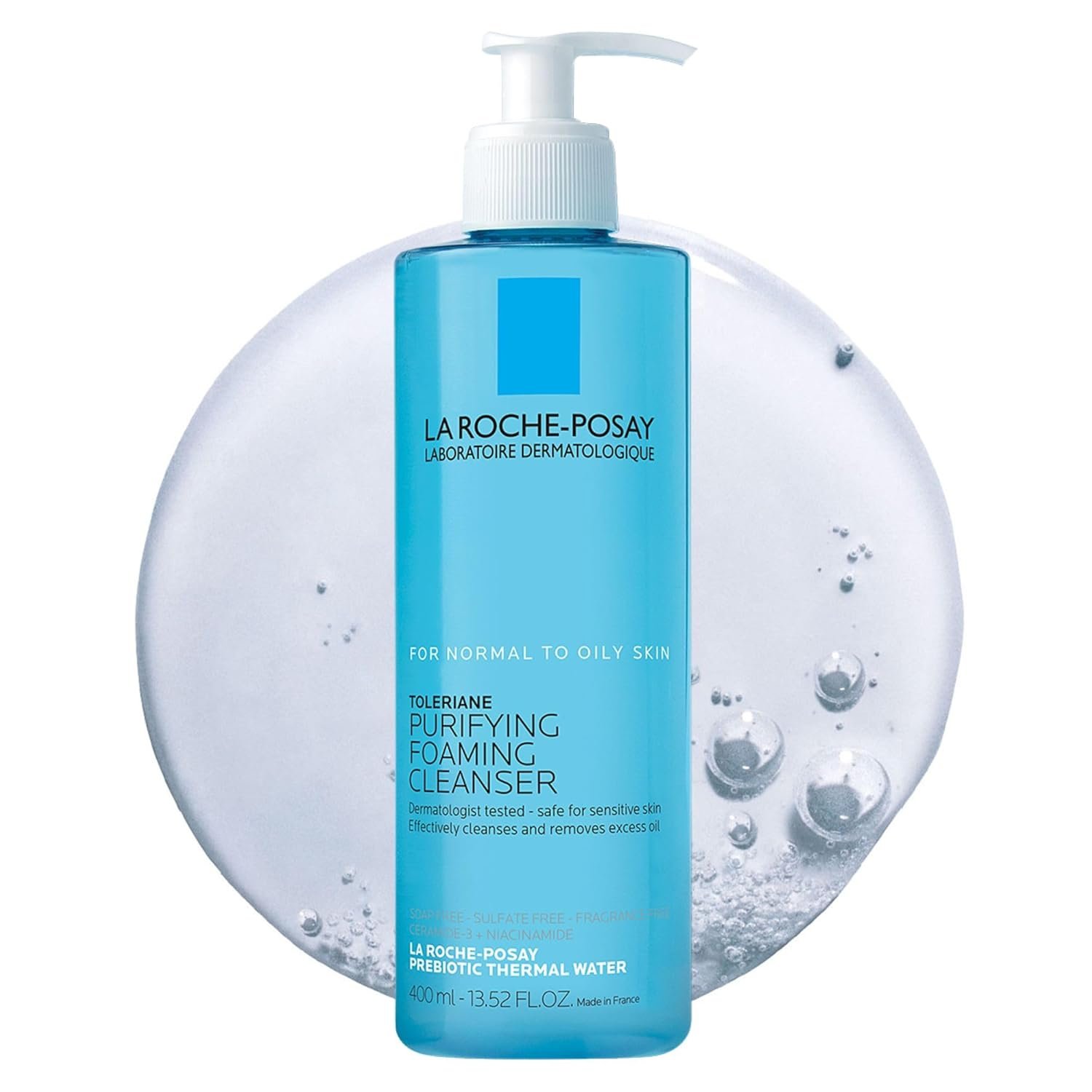
If you want a cleanser that balances oil control with gentle skincare, La Roche-Posay Toleriane Purifying Foaming Cleanser is definitely worth considering.
